
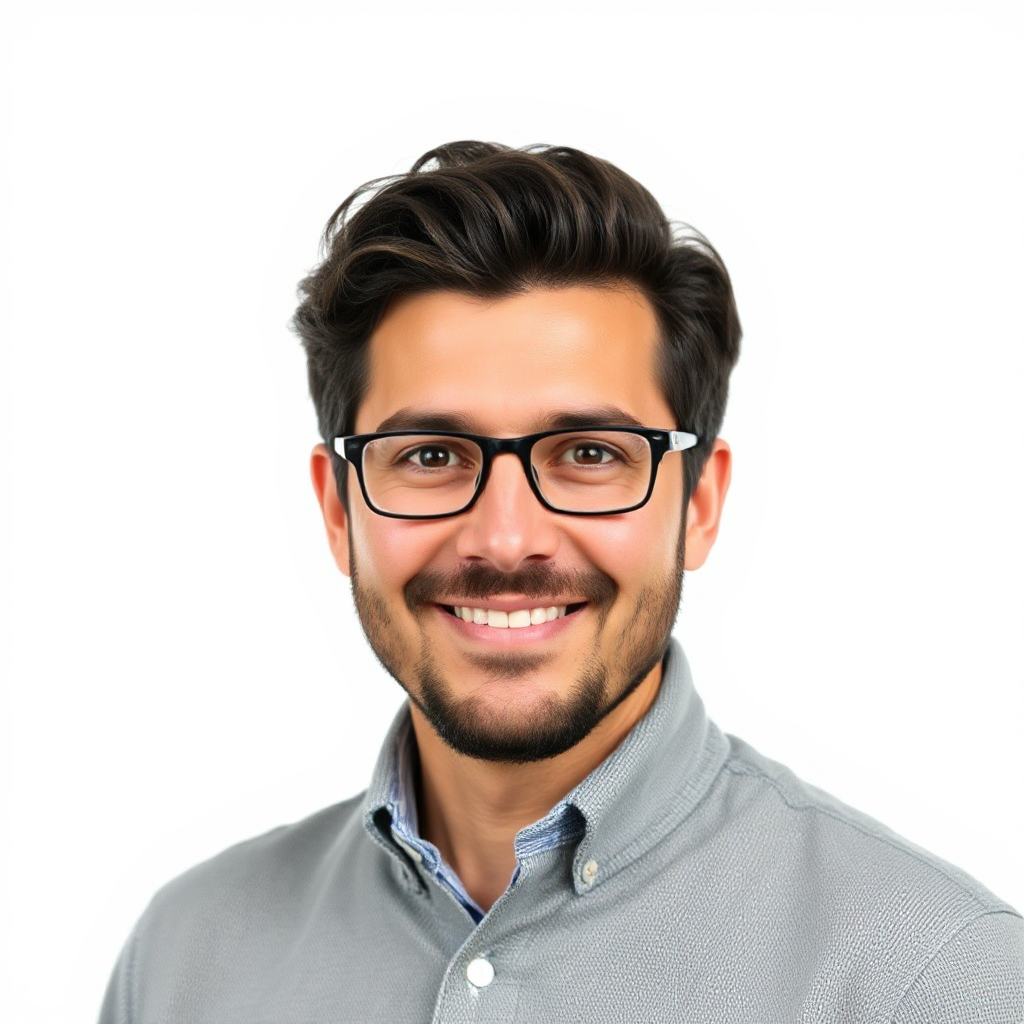
A third round of indirect discussions involving American and Iranian delegations is underway in the Swiss city of Geneva, as reported by official Iranian sources.
Principal Participants and Mediators
Omani diplomats will again oversee the discussions involving Iran's top diplomat Abbas Araghchi and American envoy Steve Witkoff.
Before the meeting, Araghchi conferred with Oman's Foreign Minister Badr Albusaidi in Geneva. Their discussions are said to have reviewed proposals for Iran's atomic agenda, based on principles established in prior sessions. Minister Albusaidi will relay Iran's proposals to American delegates.
Tehran's Position
Iran's delegation have stated that the negotiations will concentrate solely on the nuclear issue. Key demands involve the easing of restrictions and the affirmation of Iran's right to peaceful nuclear energy.
"There would be a defeat for anybody – it would be a devastating war," stated Iran's top diplomat in a recent interview.
Past Precedent
A suspension on uranium enrichment does not represent unprecedented for Iran. In 2003, under former president Hassan Rouhani, Iran agreed to freeze such activities and permit snap inspections by the global atomic energy body.
During these negotiations, the Iran's delegation is seeking irreversible economic relief, such as the return of blocked Iranian capital.
US Proposal
Sources suggest that the American proposal, submitted by envoy Steve Witkoff, requests that Iran limit its enrichment to below 5% purity—the same threshold outlined in the 2015 nuclear deal and significantly lower than the grade needed for a bomb.
However, insiders state that the terms presented offered no guarantee of economic concessions or re-establishment of diplomatic channels.
Global Monitoring
IAEA Director General Rafael Grossi, is expected to participate in the negotiations. The IAEA chief's involvement is significant as Iran's cooperation with the IAEA was curtailed after the June war. The watchdog has is lacking verification on the full status of Iran's stock of enriched uranium.
Geopolitical Context
The talks are taking place alongside a substantial deployment of US forces in the Gulf. Numerous nations, like the US, Germany, and Australia, have advised against travel for travel to Iran due to increased tensions.
Official Declarations
Before the talks, Iranian President Masoud Pezeshkian cited a religious edict from the country's Supreme Leader Ali Khamenei that forbids WMDs. Meanwhile, American President Donald Trump has claimed Tehran of pursuing its atomic weapons capability while indicating a preference for a negotiated settlement.
The progress of these crucial talks in Geneva remains closely watched by the global community.


